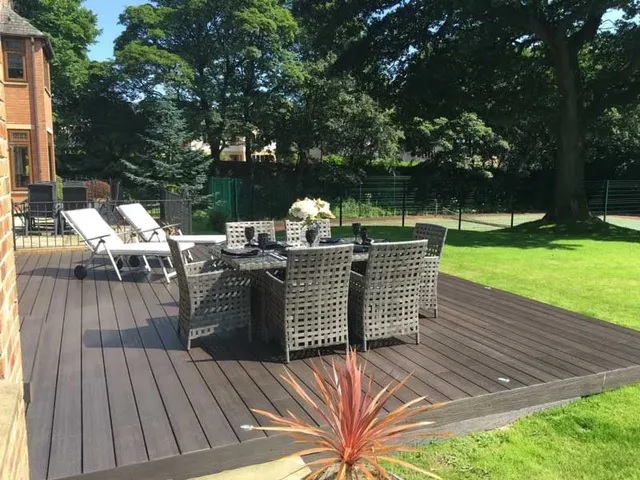
Building a custom home can be an exciting experience when knowledgeable professionals provide clear direction throughout the process. Expert guidance helps homeowners understand design choices, planning requirements, material options, and creating a smoother journey from the first idea to the finished home.
Turning Ideas Into Clear Plans
A strong beginning gives homeowners confidence and helps shape their vision into a practical home design. Experienced builders listen carefully to preferences and offer useful suggestions that balance beauty, comfort, functionality, and long-term value.
- Personalized discussions clarify lifestyle needs and priorities.
- Thoughtful planning creates a clear vision for the home.
- Professional advice helps refine design preferences.
- Practical suggestions support comfortable daily living.
- Flexible ideas allow personal style to remain central.
Making Design Decisions Easier
Custom homes offer many opportunities for personalization, which can sometimes make decisions feel overwhelming. Helpful guidance makes each choice easier to understand, helping homeowners select features that complement their routines and design goals.
- Layout advice can improve movement between living spaces.
- Material guidance can support lasting beauty and comfort.
- Lighting choices can enhance the atmosphere of each room.
- Storage ideas can make spaces more functional.
- Finishing options can reflect individual tastes.
Creating Better Budget Confidence
Clear communication about costs can make the planning experience more comfortable. Expert builders can explain available options and help homeowners understand how different selections influence the overall project, encouraging confident and informed decisions.
- Detailed discussions can clarify expected project needs.
- Alternative selections can provide useful flexibility.
- Priority planning can keep essential features in focus.
- Material choices can be matched with design goals.
- Transparent communication can strengthen confidence.
Supporting Smooth Project Coordination
A custom home involves many connected decisions, making coordination an important part of a successful building experience. Professional guidance helps keep design ideas, construction requirements, schedules, and homeowner expectations aligned.
- Regular communication keeps important details visible.
- Coordinated planning supports an organized workflow.
- Timely updates help homeowners feel informed.
- Professional oversight encourages consistent quality.
- Clear discussions can make changes easier to manage.
Planning For Lasting Comfort
A well-designed home should continue to support its residents as their needs evolve. Expert guidance encourages homeowners to consider practical features that add flexibility, comfort, efficiency, and lasting enjoyment to their living environment.
- Flexible spaces can adapt to changing household needs.
- Efficient features can support comfortable daily routines.
- Durable selections can encourage long-term satisfaction.
- Practical layouts can improve everyday usability.
- Future-focused planning can add lasting value.
Building With Confidence
The right professional support can transform a complex building journey into a rewarding experience. Skilled home builders Kensington can bring valuable knowledge to each stage while helping homeowners make choices that reflect their vision, preferences, and aspirations.
- Experienced guidance can simplify complex decisions.
- Personalized support can make planning more enjoyable.
- Careful attention can strengthen design consistency.
- Collaborative communication can create greater confidence.
- Thoughtful building practices can support beautiful results.
Expert guidance brings clarity, creativity, and confidence to custom home projects. With careful planning, open communication, and personalized recommendations, homeowners can enjoy a building journey that feels organized and inspiring. The result is a home shaped around individual needs, with thoughtful details that support comfort, functionality, beauty, and lasting satisfaction.